
QUÉ ESTÁS BUSCANDO
?

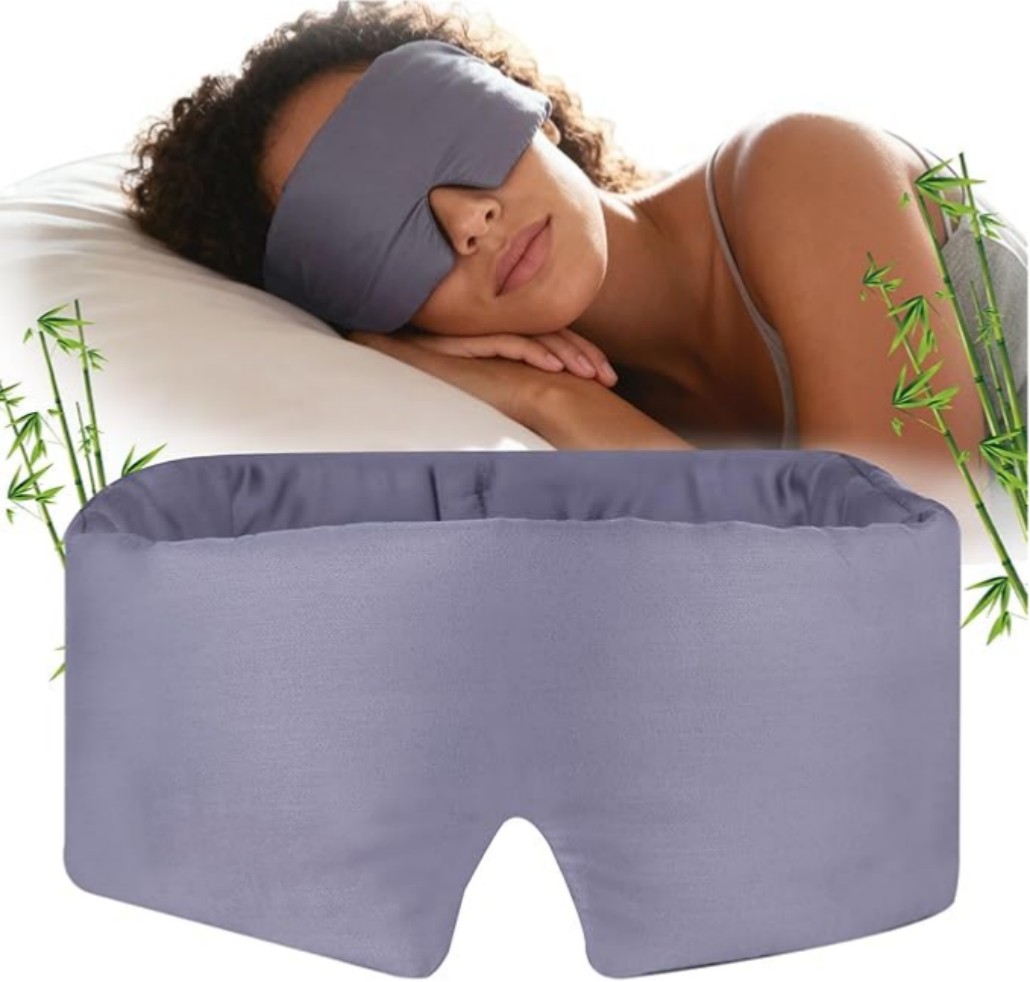
Light from windows, bedroom lighting, and unfamiliar surroundings can make it harder for some people to settle down for rest. A sleep mask is a simple accessory that helps create a darker environment, whether at home, on a flight, or during a daytime nap.
Among the available designs, 3D contoured sleep masks stand out because they use shaped eye cups rather than a completely flat surface. Here is what to consider when choosing one.
A 3D contoured sleep mask is designed with raised or shaped sections around the eyes. Unlike many flat masks that rest directly against the eyelids, a contoured design creates additional space around the eyes.
The amount of space and the fit around the nose and sides vary by product. For this reason, shoppers should evaluate the actual shape and fit rather than relying on the term “3D” alone.
The main appeal of a contoured mask is its shaped construction.
Space around the eyes: The eye cups are designed to reduce direct contact with the eyelids.
Adjustable fit: A strap allows the wearer to adjust the fit to their preference.
Portable design: Many sleep masks are lightweight and easy to pack.
Versatile use: They can be used at home, while traveling, or during daytime rest.
Comfort depends on face shape, nose fit, strap tension, and the materials used.
The outer fabric and cushioning affect the feel, flexibility, and durability of a sleep mask.
Polyester and spandex blends can provide a flexible fabric surface, depending on the knit and fabric construction.
Nylon blends are another option for manufacturers developing different surface textures and product specifications.
Memory foam cushioning, when used, can help maintain the shaped eye-cup structure. However, the foam density, thickness, and overall design influence how the mask feels.
Check the product's material label and care instructions before buying.
An adjustable strap helps accommodate different head sizes and wearing preferences.
A strap that is too tight may feel uncomfortable, while one that is too loose may allow the mask to shift. Look for an adjustment mechanism that is easy to use and stays in position during normal wear.
For side sleepers, the strap construction and buckle placement may also influence comfort when the head rests against a pillow.
A travel sleep mask should be easy to pack and convenient to use in different environments.
Before choosing one, consider:
Whether it fits comfortably in a carry-on bag.
Whether the strap is easy to adjust.
Whether the nose area fits your face.
Whether the materials are suitable for regular use.
Whether a storage pouch is included.
Whether the care instructions fit your travel routine.
A contoured mask may be useful for flights and hotel stays, but actual light blocking depends on how well it fits the wearer's face.
Care requirements depend on the outer fabric, foam, and construction.
Always check the manufacturer's instructions before washing. Some products may allow gentle hand washing, while others require surface cleaning or specific drying methods. Avoid assuming that the entire mask is machine washable unless the product label confirms it.
Allow the mask to dry fully according to the care instructions before storing it.
For bedding and travel accessory brands, a 3D sleep mask can be developed in several directions.
Potential options include different fabric finishes, cushioning materials, adjustable strap designs, seasonal colors, branded packaging, and travel sets.
Before launching a product, brands should evaluate fit, stitching, strap durability, material consistency, nose-area light leakage, and packaging quality. These checks help turn a basic accessory into a more clearly defined product offering.
A 3D contoured sleep mask offers a shaped alternative to a traditional flat eye mask. Eye-cup design, fit, materials, strap adjustment, and care instructions are all important factors when choosing one.
For brands developing sleep accessories, these same details provide a starting point for creating a differentiated product that meets the needs of a specific customer group.


 IPv6 network supported.