
QUÉ ESTÁS BUSCANDO
?

When planning an outdoor adventure, comfort and portability are two important factors to consider. A traditional blanket may be comfortable at home but inconvenient to carry on a hike, road trip, or camping weekend.
A puffy outdoor blanket offers an alternative by combining an insulated construction with a design intended for convenient transport. Understanding its materials, size, and intended use can help you choose the right option.
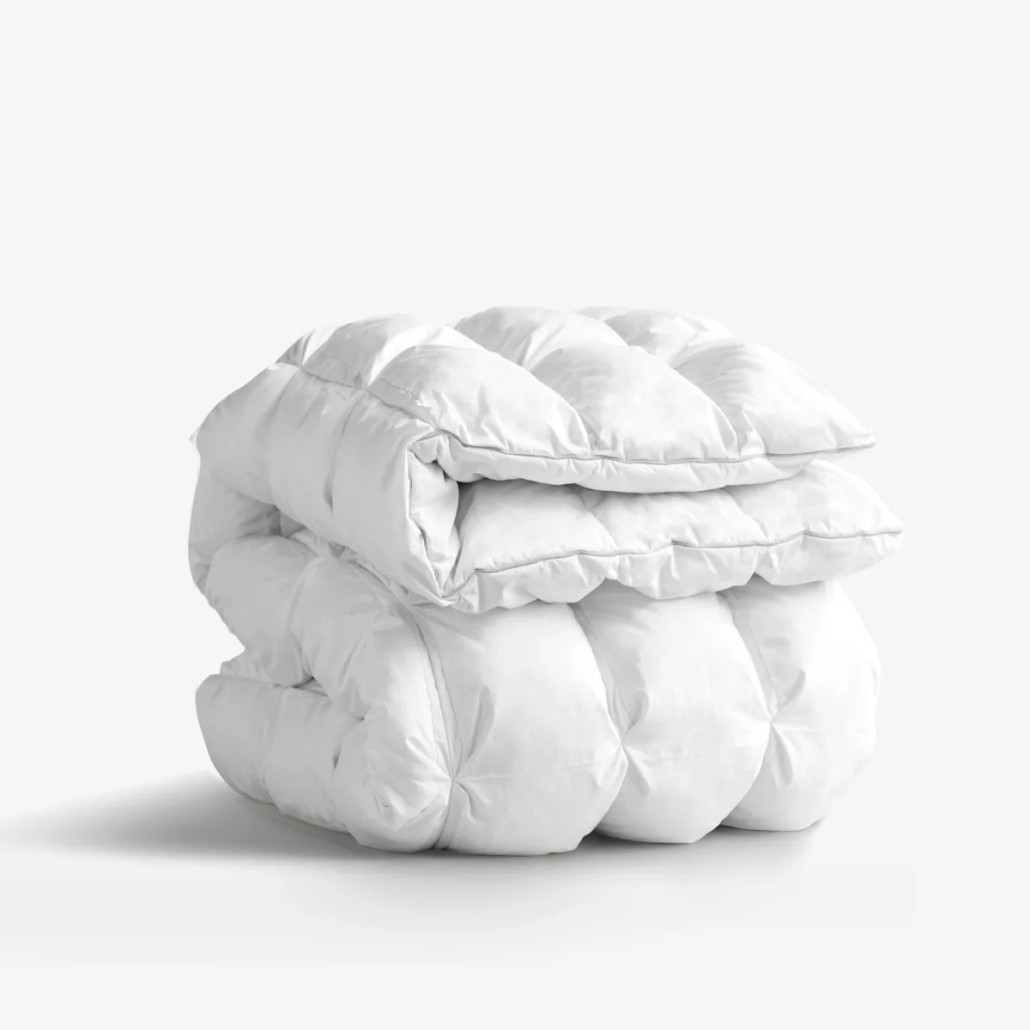
A puffy outdoor blanket is typically constructed with an outer shell, an inner lining, and a layer of synthetic or other insulation. Its quilted appearance helps create a padded structure, while its materials and construction determine its warmth, weight, and durability.
Unlike a conventional household blanket, many outdoor models are designed to fold or roll into a compact bundle for transport.
Depending on the product design, an outdoor blanket may be suitable for camping, picnics, sporting events, festivals, and travel.
If you plan to carry your blanket in a backpack or travel bag, consider its weight and packed dimensions.
A smaller packed size is convenient for travel, while a larger blanket may provide more coverage for relaxing outdoors. Compare both the unfolded dimensions and the packed size before making a decision.
The insulation type, thickness, and overall construction influence how much warmth a blanket provides.
For mild weather, a lighter option may be sufficient for sitting outdoors. For cooler evenings, you may prefer a more substantial insulated design.
Remember that an outdoor blanket is not a substitute for a properly rated sleeping bag in cold camping conditions.
Outdoor blankets may use woven polyester, ripstop fabrics, or other durable shell materials.
Some products feature a durable water-repellent finish that helps moisture bead on the surface. This can be useful when dealing with light splashes or morning dew.
However, water-resistant does not mean waterproof. Heavy rain or prolonged contact with wet ground can allow moisture to penetrate.
Consider how you intend to use the blanket.
A compact throw may work well for solo travel, stadium seating, or keeping in a vehicle. A larger blanket may be more suitable for couples, family picnics, or shared outdoor activities.
The best size depends on your intended use, carrying requirements, and preferred coverage.
Use an outdoor blanket as an additional layer for relaxing around the campsite. Keep it dry and follow the manufacturer's guidance for the intended application.
A portable blanket can make it easier to create a comfortable resting spot for outdoor meals and casual gatherings. If you plan to place it directly on damp ground, check whether the construction is suitable for that purpose.
A compact blanket is useful to keep in a car for roadside breaks, outdoor sightseeing, and spontaneous stops.
A lightweight blanket can add comfort when sitting on grass or outdoor seating areas. Choose a size that balances coverage with portability.
Care requirements vary by shell fabric, insulation, and water-repellent treatment.
Before washing, check the manufacturer's care label. Use the recommended washing cycle and detergent, and follow the specified drying instructions.
Avoid assuming every insulated blanket can be washed in the same way. Proper care helps preserve the fabric, stitching, insulation, and any applied finish.
For retailers and online brands, selecting an outdoor blanket involves more than choosing an attractive pattern.
Consider the following factors:
Target customer and intended climate
Fabric durability and insulation specifications
Finished and packed dimensions
Weight and storage-bag design
Color and print customization
Sample approval and production consistency
Minimum order quantities and landed costs
Packaging requirements and product labeling
A clear product specification helps buyers compare samples and maintain consistency between initial orders and repeat production.
For private-label businesses, distinctive colors, coordinated accessories, and thoughtful packaging can help establish a recognizable collection.
A puffy outdoor blanket combines insulated comfort with portability for camping, travel, picnics, and other outdoor activities.
When choosing a product, compare its weight, packed dimensions, insulation, outer fabric, water resistance, and care requirements rather than relying on appearance alone.
For outdoor retailers and emerging brands, a well-defined product specification and carefully tested sample can provide a strong starting point for developing a differentiated outdoor blanket collection.


 IPv6 network supported.