
QUÉ ESTÁS BUSCANDO
?
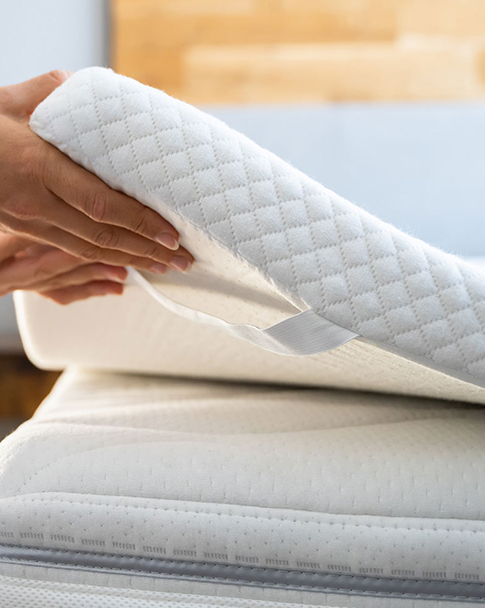

Choosing the right pillow involves more than softness. Consumers increasingly look for products that combine comfortable materials, supportive shapes, and flexible comfort options. For bedding brands, ergonomic cervical pillows offer an opportunity to develop products that stand out from traditional rectangular pillows.
An ergonomic cervical pillow is designed with a contoured shape intended to support the head and neck during sleep. Unlike a conventional flat pillow, its profile can be developed to accommodate different head and neck positions.
The shape, height, firmness, and foam density all influence how a pillow feels. These features should be evaluated together when developing a new product.
Pillow geometry influences how the head rests and how the neck is supported. Contoured designs can include raised areas, curved edges, or different support zones.
When developing an ergonomic pillow, brands should consider:
Pillow height and contour depth
Head and neck support areas
Comfort preferences of side and back sleepers
Foam density and resilience
The relationship between pillow shape and mattress firmness
Prototype testing with users can help determine whether a design provides the intended comfort and fit.
Memory foam is commonly used in ergonomic pillows because it can conform to pressure and provide a shaped support structure.
Traditional fiber-filled pillows offer a different feel and may provide more flexibility in adjusting the fill. Neither material is ideal for every consumer.
Brands should evaluate foam firmness, recovery, odor, durability, and performance after repeated use before finalizing a specification.
Consumers have different preferences for pillow firmness. A dual-sided design offers two comfort experiences within one product.
A firmer side may appeal to customers who prefer a more structured feel, while a softer side may suit those who prefer a cushioned surface.
For product developers, this concept can create a clear product story without requiring customers to purchase two separate pillows. The difference between the two sides should be noticeable and verified through product testing.
The pillow cover affects the initial feel, skin contact, appearance, and care experience.
When selecting a cover, brands should assess:
Fabric softness and breathability
Stretch and fit around the contoured foam
Zipper placement and ease of removal
Washing performance and dimensional stability
Color, stitching, and branding options
The care instructions should clearly distinguish between the cover and the foam core. Memory foam generally requires different care from a machine-washable textile cover.
A successful product needs more than a familiar ergonomic shape. Brands can explore differentiation through:
Alternative contour designs and pillow heights
Different foam densities and firmness levels
Dual-sided comfort constructions
Premium or functional cover fabrics
Size options for different target markets
Customized packaging and private-label branding
Consumer interviews, competitor reviews, prototype trials, and post-use feedback can help identify which features are most valuable to the intended audience.
Developing a differentiated cervical pillow requires a structured process:
Identify customer complaints and unmet comfort needs.
Define the target user and intended product benefits.
Select the pillow shape, foam, and cover materials.
Build prototypes and test comfort, fit, and durability.
Refine the design based on user feedback.
Confirm quality standards and production consistency.
This process helps brands move from a general product idea to a clearly defined, market-ready pillow.
An ergonomic cervical pillow combines product shape, material selection, and comfort design. For bedding brands, the opportunity lies in developing a product that addresses a specific consumer preference and communicates its value clearly.
With OEM/ODM development, customized materials, contour designs, and private-label packaging, brands can build an ergonomic pillow range tailored to their target market.


 IPv6 network supported.